Boosts Brain Performance and Focus
Your brain is approximately 73% water. Even mild dehydration — just 1-2% below optimal — causes measurable drops in memory, concentration, and reaction time. A 2011 study found that women who were just 1.36% dehydrated made more errors on cognitive tasks and reported worse mood.[1] Drink more water, think more clearly.
Increases Energy Levels and Reduces Fatigue
Fatigue is one of the first signs of dehydration. When you're dehydrated, your heart has to work harder to pump blood, delivering less oxygen and nutrients to muscles and organs. Even slight dehydration slows you down. Staying hydrated throughout the day maintains consistent energy without caffeine dependency.
Supports Weight Management
Drinking water before meals can reduce calorie intake by helping you feel fuller. One study found that drinking 500ml of water 30 minutes before meals led to 44% greater weight loss over 12 weeks compared to not drinking.[2] Water also has zero calories — replacing sugary drinks alone can have a significant impact on total calorie intake.
Improves Skin Health and Appearance
Adequate hydration keeps skin elastic, plump, and clear. Dehydration makes skin dry, dull, and more prone to fine lines. While water isn't a magic cure for all skin conditions, chronic dehydration visibly ages skin over time. Consistent daily hydration is one of the simplest (and free) skin care routines you can follow.
Prevents Kidney Stones
Kidney stones form when minerals crystallize in concentrated urine. Higher fluid intake dilutes these minerals, reducing the risk of stone formation. Research consistently shows that people who drink more water have significantly lower rates of kidney stones. The recommended approach is drinking enough water to produce at least 2–2.5 liters of urine per day.
Aids Digestion and Prevents Constipation
Water is essential for the digestive process. It helps dissolve fats and soluble fiber, allowing them to pass through the intestines smoothly. Low fluid intake is a leading cause of constipation. Increasing water intake is often the first recommendation doctors make for people experiencing digestive issues.
Enhances Physical Performance
Athletes and active people can lose 6–10% of their body weight in fluid through sweat during intense exercise. Even 2% dehydration impairs physical performance — reducing strength, power, endurance, and increasing perceived effort.[3] Hydrating before, during, and after exercise is one of the most impactful performance optimizations available.
Regulates Body Temperature
Water absorbs and releases heat more efficiently than almost any other substance. Your body uses sweat — which is primarily water — to cool itself. In hot environments or during exercise, dehydration impairs this cooling mechanism, increasing the risk of heat exhaustion. Staying hydrated keeps your thermoregulation system working optimally.
Reduces Headaches and Migraines
Dehydration is one of the most common migraine and headache triggers. The brain temporarily contracts when dehydrated, pulling away from the skull and causing pain. Studies show that increasing water intake reduces both the frequency and intensity of headaches in people prone to them. If you get frequent headaches, tracking your water intake is a simple first intervention.
Supports Immune Function
Water helps carry oxygen to cells, flush out toxins, and maintain a moist environment in your mucous membranes — your first line of defense against pathogens. Chronic dehydration compromises the body's ability to fight infections. Staying well hydrated supports your immune system's daily work in ways that even supplements can't fully replicate.
How Much Water Do You Actually Need?
The "8 glasses a day" rule is a rough guideline — the real answer depends on your weight, activity level, climate, and the types of beverages you drink. A 90kg athlete in a hot climate needs far more than a 60kg office worker in a temperate region.
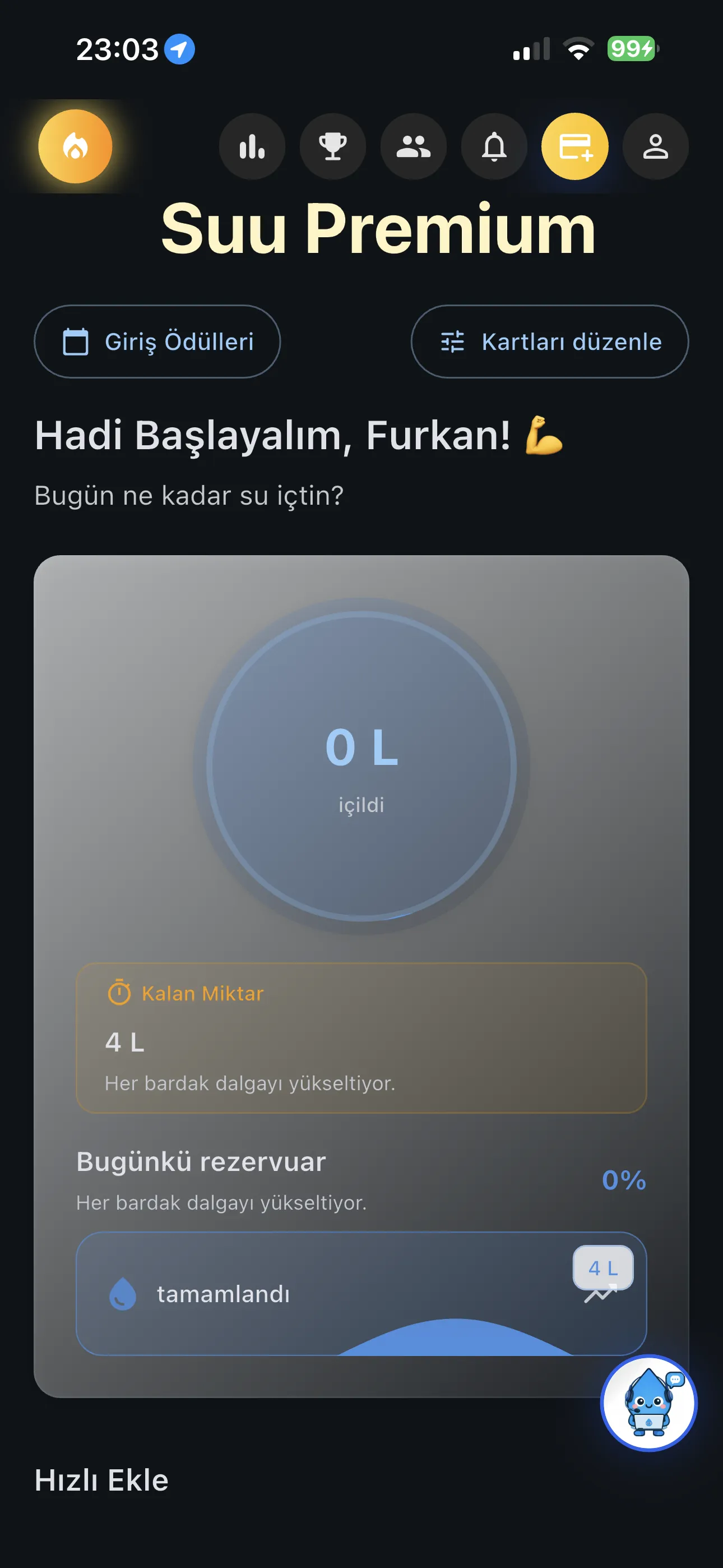
The most accurate way to track your hydration is with an app that personalizes your goal and accounts for different beverages. Suu calculates your exact daily goal and even adjusts for coffee, tea, and other drinks using its dehydration factor system.
Frequently asked questions
Does drinking water actually help with weight loss?
How many glasses of water do I need for healthy skin?
How do I know if I'm dehydrated?
Is drinking water on an empty stomach in the morning beneficial?
How does water affect the immune system?
Scientific References
- Ganio MS, et al. (2011). Mild Dehydration Impairs Cognitive Performance and Mood of Men. British Journal of Nutrition, 106(10), 1535–1543. PubMed: 21736786
- Parretti HM, et al. (2015). Efficacy of Water Preloading Before Main Meals as a Strategy for Weight Loss in Primary Care Patients with Obesity: RCT. Obesity, 23(9), 1785–1791. PubMed: 26237305
- Sawka MN, et al. (2007). American College of Sports Medicine Position Stand: Exercise and Fluid Replacement. Medicine & Science in Sports & Exercise, 39(2), 377–390. PubMed: 17277604
- Popkin BM, D'Anci KE, Rosenberg IH. (2010). Water, Hydration and Health. Nutrition Reviews, 68(8), 439–458. PubMed: 20646222